
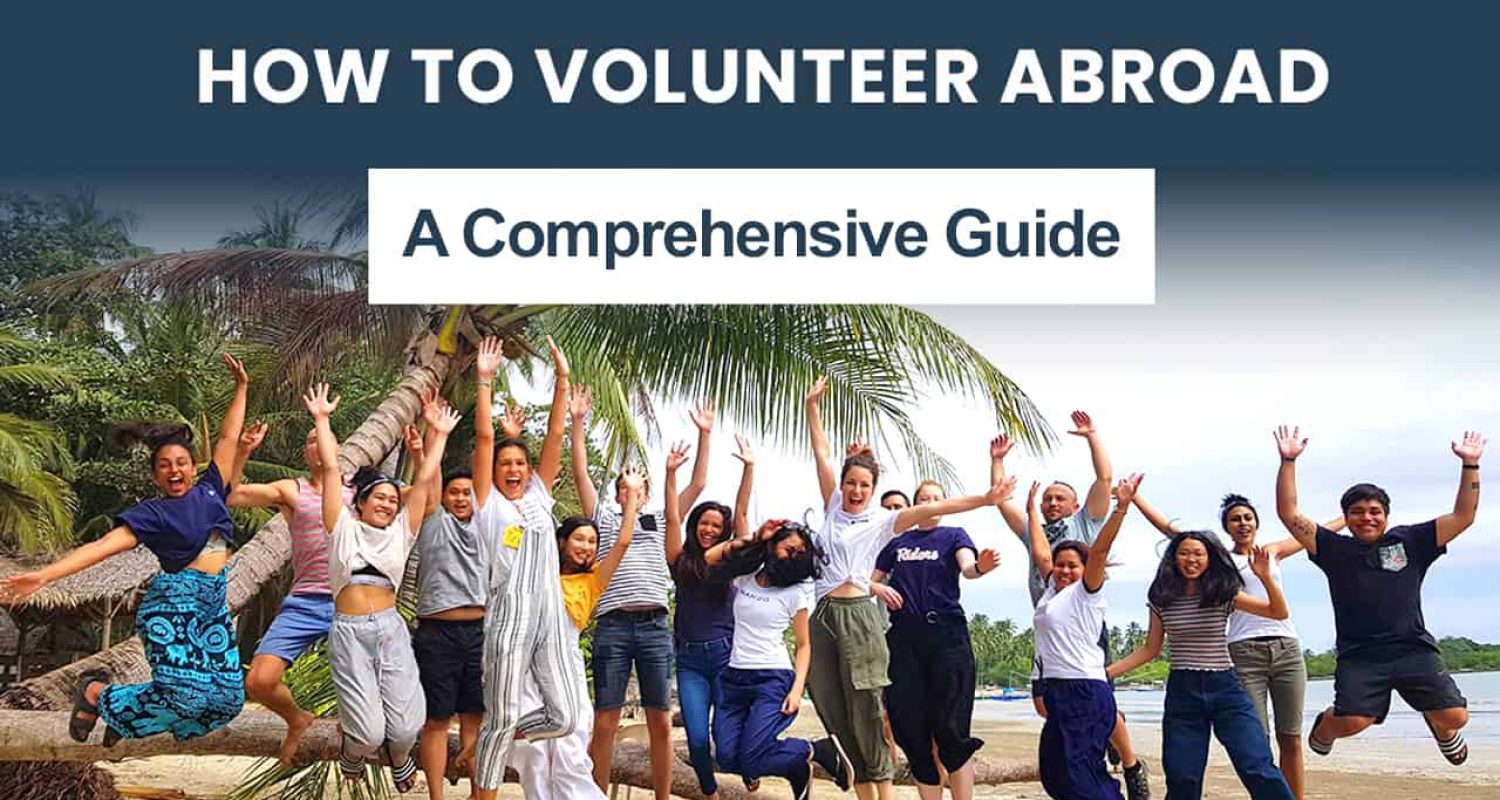
Studying abroad is an exciting and enriching experience that provides a unique opportunity to explore new cultures, meet new people and gain a new perspective on the world. However, for many students, studying abroad can also be an expensive and time-consuming endeavor. That’s why combining volunteer work with study abroad can be a great way to get the most out of your international study experience.
Volunteering while studying abroad not only gives you the opportunity to give back to the community, it also gives you the opportunity to gain new skills, build your networks and boost your career prospects. In this blog post, we’ll explore the benefits of volunteering while studying abroad, offer tips on finding volunteering opportunities, and offer guidance on balancing volunteering and academic responsibilities.
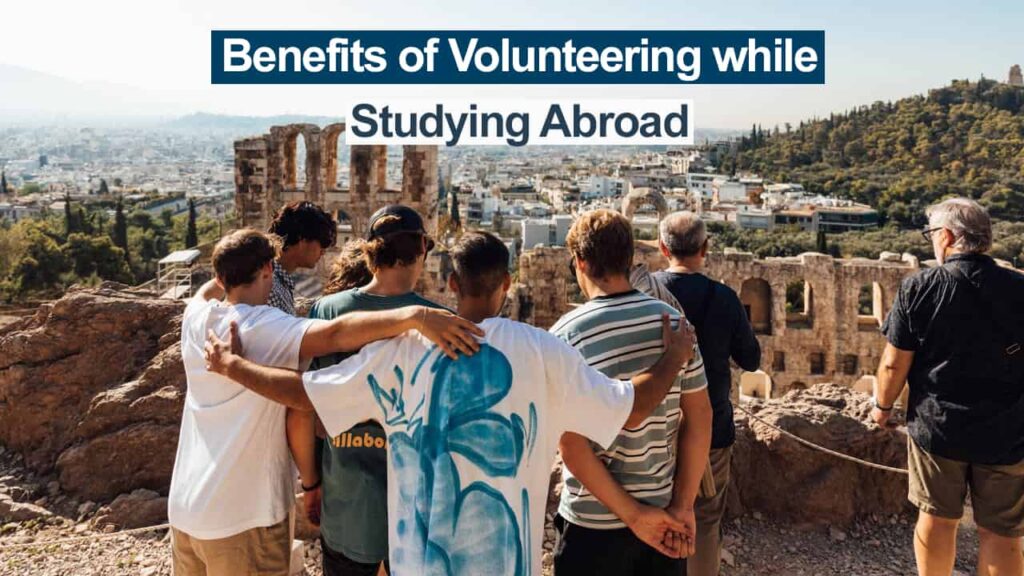
Volunteering while studying abroad can have a significant impact on your personal and professional development. Some of the benefits of volunteering while studying abroad include:
1. Cultural Immersion: Volunteering is a great way to immerse yourself in the local culture and community. By working with local organizations and people, you can gain a deeper understanding of the customs, traditions, and way of life in your host country.
2. Language Skills: Volunteering is an excellent way to improve your language skills, especially if you are studying in a country where the language is different from your own. By interacting with locals and working on projects, you can practice your language skills and become more confident in your ability to communicate.
3. Networking Opportunities: Volunteering provides an opportunity to meet new people and build your network. You can connect with like-minded individuals, make friends, and establish professional relationships that can be beneficial in the future.
4. Career Development: Volunteering can be a great way to gain work experience and develop new skills. Many organizations offer volunteer opportunities that are related to your field of study, which can be a great way to build your resume and enhance your career prospects.
5. Personal Growth: Volunteering can be a transformative experience that helps you develop new perspectives, build confidence, and discover your passions. By giving back to the community, you can feel a sense of purpose and fulfillment that can have a lasting impact on your life.

Finding volunteer opportunities while studying abroad can be challenging, but there are several ways to get started. Here are some tips to help you find volunteer opportunities:
1. Research Local Organizations: Research local organizations and charities in your host country that align with your interests and values. You can search online, ask your university for recommendations, or check with local community centers.
2. University Resources: Many universities have volunteer programs or resources that can help you find volunteer opportunities. Check with your university’s student union, career center, or international office to see what options are available.
3. Volunteer Platforms: There are several volunteer platforms that can connect you with organizations and projects in your host country. Some popular platforms include Volunteer Forever, Go Abroad, and Idealist.
4. Social Media: Social media can be a great way to find volunteer opportunities. Join local Facebook groups, follow organizations on Twitter, or connect with people on LinkedIn to find out about volunteer opportunities.
5. Networking: Networking is key to finding volunteer opportunities. Attend local events, join clubs or organizations, and connect with people in your community to find out about volunteer opportunities.

There are many types of volunteer opportunities available while studying abroad. Here are some examples:
1. Teaching and Education: Many organizations offer volunteer opportunities in teaching and education. You can teach English, assist with homework, or help with educational programs.
2. Community Development: Community development projects can include working on infrastructure projects, assisting with community events, or helping with economic development initiatives.
3. Environmental Conservation: Environmental conservation projects can include working on conservation efforts, assisting with sustainability initiatives, or helping with wildlife preservation.
4. Health and Medicine: Health and medicine volunteer opportunities can include working in hospitals, clinics, or healthcare organizations. You can assist with medical research, help with patient care, or provide administrative support.
5. Animal Welfare: Animal welfare volunteer opportunities can include working with animal shelters, assisting with conservation efforts, or helping with animal rescue organizations.

Balancing volunteering with academic responsibilities can be challenging, but it is possible with some planning and time management. Here are some tips to help you balance volunteering with academic responsibilities:
1. Create a Schedule: Create a schedule that includes your academic responsibilities, volunteer work, and personal activities. Make sure to prioritize your academic responsibilities and leave some buffer time in case things don’t go as planned.
2. Set Boundaries: Set boundaries with your volunteer organization and academic responsibilities. Make sure you are clear about your availability and limitations, and don’t overcommit yourself.
3. Take Breaks: Take breaks and practice self-care to avoid burnout. Volunteering and studying abroad can be challenging, so make sure you are taking time to rest and recharge.

Volunteering while studying abroad can be challenging, and you may face some obstacles along the way. Here are some common challenges and tips for overcoming them:
1. Language Barriers: Language barriers can be a challenge when volunteering abroad. Consider taking language classes or using translation tools to help you communicate with your host organization and community.
2. Cultural Differences: Cultural differences can be a challenge when volunteering abroad. Be respectful of local customs and traditions, and try to learn as much as you can about the local culture.
3. Time Zone Differences: Time zone differences can be a challenge when volunteering abroad. Make sure you are aware of the time zone differences and plan accordingly to avoid confusion or missed deadlines.
4. Homesickness: Homesickness can be a challenge when volunteering abroad. Stay connected with family and friends back home, and try to find ways to stay engaged with your local community.
5. Financial Constraints: Financial constraints can be a challenge when volunteering abroad. Consider applying for scholarships or grants to help fund your volunteer work, and try to find ways to reduce your expenses.
Volunteering while studying abroad can be a life-changing experience that gives you the opportunity to give back to the community, gain new skills and improve your career prospects. By following the tips and tricks outlined in this article, you can make the most of your volunteer experience and reach your goals.
Remember to research local organizations, take advantage of volunteer events, connect with people in your community and look for volunteer opportunities. Respect local customs and traditions and learn as much as you can about the local culture.
Balancing volunteer work and academic responsibilities can be challenging, but it is possible with some planning and time management. Plan, set boundaries, and prioritize your time to ensure you meet your course deadlines and fulfill your commitments to volunteer.
Flexibility, flexibility and adaptation are needed to overcome challenges such as language barriers, cultural differences, time differences, homesickness, and financial constraints Stay connected with family and friends back home, and try to find options has kept up with your community.
Volunteering while studying abroad allows you to make a positive impact on the local community, gain new skills and improve your career prospects. So why not give it a try? Explore volunteer opportunities with application opportunities, and get ready for the trip of a lifetime!
For more information on volunteering while studying abroad, check out the following resources:
1. Volunteer Forever: A volunteer platform that connects volunteers with organizations and projects around the world.
2. Go Abroad: A website that provides information and resources on studying and volunteering abroad.
3. Idealist: A website that provides information and resources on volunteering and career development.
4. Study Abroad: A website that provides information and resources on studying abroad.
5. International Volunteer HQ: A volunteer platform that connects volunteers with organizations and projects around the world.
Q: What are the benefits of volunteering while studying abroad?
A: The benefits of volunteering while studying abroad include cultural immersion, language skills, networking opportunities, career development, and personal growth.
Q: How do I find volunteer opportunities while studying abroad?
A: You can find volunteer opportunities while studying abroad by researching local organizations, using volunteer platforms, and networking with people in your community.
Q: How do I balance volunteering with academic responsibilities?
A: You can balance volunteering with academic responsibilities by creating a schedule, setting boundaries, and prioritizing your time.
Q: What are some common challenges of volunteering while studying abroad?
A: Some common challenges of volunteering while studying abroad include language barriers, cultural differences, time zone differences, homesickness, and financial constraints.
Q: How can I overcome the challenges of volunteering while studying abroad?
A: You can overcome the challenges of volunteering while studying abroad by being flexible, adaptable, and resilient, and by seeking support from your university, host organization, and local community.