
A bank statement may seem like a routine document that arrives at your doorstep or inbox every month, but it carries great importance in your financial life. Whether you’re applying for a loan, managing your personal finances, or submitting documents for a visa, your bank statement plays a key role.
In this blog, we’ll explore what a bank statement is, what it includes, and why it is so important for individuals, businesses, and institutions.
Now, the most basic and important question. What Is a Bank Statement? A bank statement is a summary of all the transactions in your bank account over a specific period usually one month. It is issued by your bank and shows every deposit, withdrawal, transfer, fee, and interest amount that occurred within that period. The statement reflects the account holder’s financial activity and also gives a clear picture of how much money was in the account at the beginning and end of the period.
Note: Most banks now issue electronic statements (e-statements), though paper statements are still available by request.
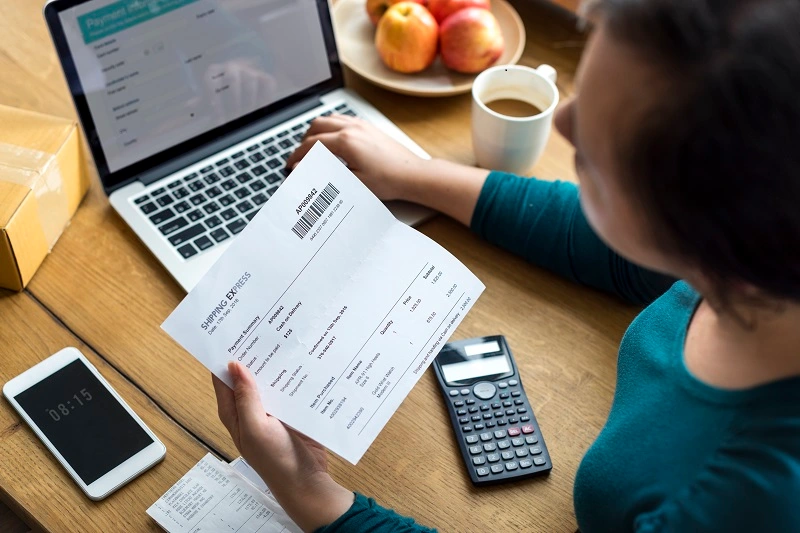
A bank statement is important because it provides a detailed record of your financial activity, helping you track your income, expenses, and overall financial health. It serves as official proof of funds, which is essential when applying for visas, loans, renting property, or filing taxes. Regularly reviewing your bank statement also helps to detect errors, unauthorized transactions, or fraudulent activity early. For students, employees, and business owners alike, a bank statement reflects financial responsibility and can strengthen your credibility in financial or legal matters.
· Paper bank statements
· Digital bank statements
· Consolidated statements
Paper bank statements are printed and mailed to your address. While some people prefer having physical copies for record-keeping or official submissions, paper statements are less secure and can be misplaced or intercepted. In today’s digital age, most banks encourage customers to switch to e-statements for convenience, safety, and environmental sustainability.
Digital bank statements are electronic versions of your monthly account summary, accessible through online banking platforms. They are eco-friendly, easy to store, and can be quickly downloaded or emailed when needed. Digital statements also offer better security, as they are often encrypted and protected by passwords.
A consolidated bank statement is a single, combined document that summarizes transactions from multiple accounts held by the same customer at one bank. Instead of receiving separate statements for savings, checking, or investment accounts, a consolidated statement brings all financial activity together in one place. This makes it easier to monitor overall finances, track movements between accounts, and maintain organized records. It’s especially useful for individuals or businesses managing several accounts, offering a clear, comprehensive view of their financial position without the need to review multiple documents.

A standard bank statement includes the following details:
Account holder’s name and address
Bank’s name and contact information
Account number
Statement period (start date to end date)
Opening and closing balances
List of transactions, including:
Deposits
Withdrawals
Transfers
ATM activity
Direct debits
Bank charges or fees
A bank statement serves as an official proof of income or available funds, which is often required in various financial and legal situations. Whether you’re applying for a student or tourist visa, a personal loan, or even renting an apartment, authorities and institutions use your bank’s statement to verify that you have sufficient and stable financial resources. For employed individuals, regular salary deposits reflect income, while for business owners or freelancers, consistent account activity supports claims of earning. It assures lenders, landlords, or embassies that you are financially capable of meeting your obligations.
Reading and understanding your bank statement is a key to managing your finances effectively. Start by checking the statement period to know which dates the summary covers.
Look at the opening and closing balances to see how much money you had at the beginning and end of the period.
Go through the list of transactions each entry will include the date, description, and amount of money that was either deposited (credit) or withdrawn (debit). Review these carefully to ensure all transactions are accurate and authorized.
Watch out for fees, charges, or unfamiliar entries, and compare them with your receipts or online records. Also, identify recurring payments like subscriptions or utility bills. If something looks incorrect or suspicious, contact your bank immediately. By regularly reviewing your statement, you can catch errors early, avoid fraud, and gain a better understanding of your spending habits.
Maintaining a healthy bank statement not only reflects good financial habits but also strengthens your credibility when applying for loans, visas, or rentals. Here are some practical tips:
Try to keep a steady and reasonable amount of funds in your account to show financial stability.
Repeated overdrafts or low balances can reflect poor money management.
Salary, business income, or other earnings should appear regularly to prove a steady income stream.
Too many cash transactions may raise questions during financial reviews.
It will negatively impact your statement and can signal financial instability.
Regular use of your account through payments, deposits, and transfers shows healthy activity.
This helps detect errors, spot fraud, and keep your finances in check.
By following these practices, your bank statement will consistently reflect financial responsibility and reliability.

A bank statement is much more than a list of transactions, it’s a powerful financial document that reflects your income, spending habits, and overall financial discipline. Whether you’re applying for a visa, securing a loan, renting a home, or simply managing your budget, a well-maintained bank statement can make a strong impression. Understanding how to read it, monitor it regularly, and keep it healthy can protect you from fraud, improve your financial credibility, and support your future goals. In a world where financial transparency is increasingly important, your bank statement is one of your most valuable tools. Thank you!
For More Details: https://www.uniguidepk.com/ireland-visa-from-pakistan/