
Are you planning to study abroad? Congratulations on taking the first step towards an exciting and enriching experience! However, before you embark on your journey, it’s essential to understand the student visa process for study Abroad. In this comprehensive guide, we’ll walk you through the step-by-step process of obtaining a student visa for study abroad.
A student visa is a mandatory document required by the government of the country where you plan to study. It allows you to enter and stay in the country for the duration of your studies. Without a valid student visa, you won’t be able to enroll in a university or college abroad.
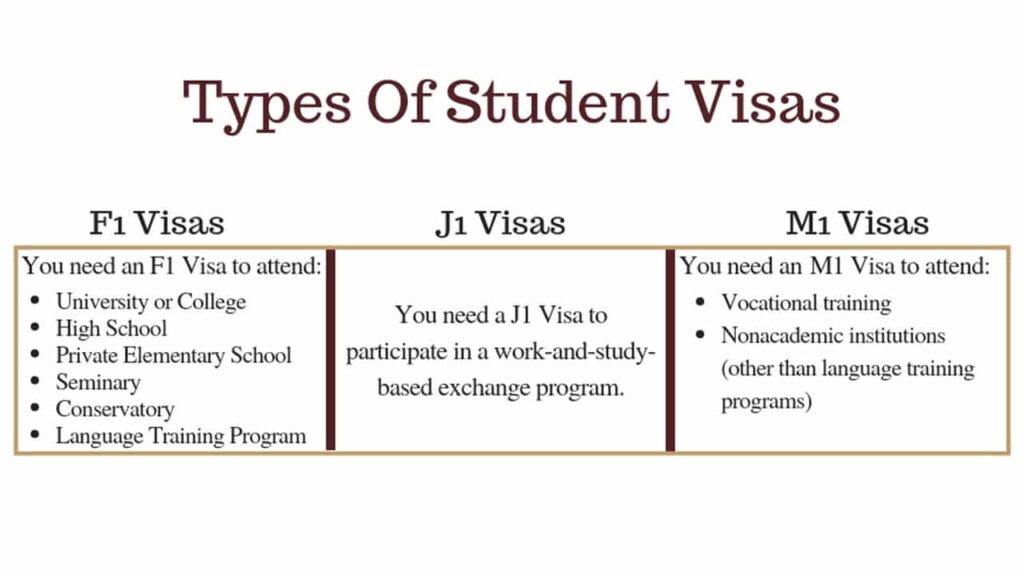
Different countries have different types of student visas. Here are some of the most common types:
1. F-1 Visa (USA): The F-1 visa is for international students who want to pursue academic studies in the United States.
2. Tier 4 Visa (UK): The Tier 4 visa is for international students who want to study in the United Kingdom.
3. Student Visa (Subclass 500) (Australia): This visa is for international students who want to study in Australia.
4. Study Permit (Canada): The study permit is for international students who want to study in Canada

While the student visa process may vary depending on the country and institution you’re applying to, here a general step-by-step guide to help you get started:
Step 1: Research and Choose Your Institution
Before you start the student visa process, research and choose the institution you want to attend. Make sure it’s a recognized and accredited institution by the relevant authorities.
Step 2: Check the Visa Requirements
Once you’ve chosen your institution, check the visa requirements for the country where you’ll be studying. You can usually find this information on the institution’s website or by contacting their admissions office.
Step 3: Apply to Your Chosen Institution
Submit your application to your chosen institution, along with the required documents, such as your academic transcripts, language proficiency test scores, and proof of financial support.
Step 4: Receive Your Admission Letter
If your application is successful, you’ll receive an admission letter from your institution. This letter is usually required for your student visa application.
Step 5: Apply for Your Student Visa
Submit your student visa application, along with the required documents, such as your passport, admission letter, proof of financial support, and language proficiency test scores.
Step 6: Pay Your Visa Application Fee
Pay the required visa application fee, which varies depending on the country and type of visa you’re applying for.
Step 7: Attend Your Visa Interview (If Required
In some cases, you may be required to attend a visa interview at the embassy or consulate of the country where you’ll be studying. This is an opportunity for the visa officer to assess your application and ask you questions.
Step 8: Receive Your Student Visa
If your application is successful, you’ll receive your student visa, which will be stamped in your passport.
Step 9: Register with the Relevant Authorities
Once you arrive in the country where you’ll be studying, register with the relevant authorities, such as the immigration department or the local police.
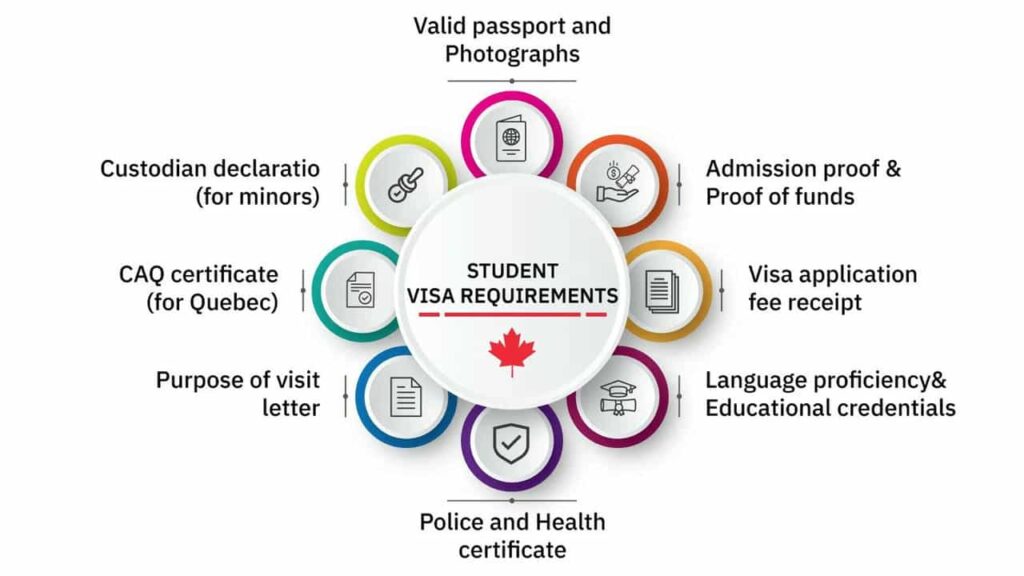
While the documents required for a student visa may vary depending on the country and institution you’re applying to, here are some common documents you’ll need to provide:
1. Passport: A valid passport with at least 12 months’ validity.
2. Admission Letter: A letter from your institution confirming your admission.
3. Proof of Financial Support: Documents showing you have sufficient funds to support yourself during your studies.
4. Language Proficiency Test Scores: Scores from language proficiency tests, such as IELTS or TOEFL.
5. Academic Transcripts: Transcripts from your previous academic institutions.
6. Medical Certificate: A medical certificate showing you’re in good health.
7. Police Certificate: A police certificate showing you have no criminal record.
Here are some tips to help you submit a successful student visa application:
1. Start Early: Apply for your student visa well in advance of your course start date
2. Check the Visa Requirements: Make sure you understand the visa requirements for the country where you’ll be studying.
3. Provide Complete and Accurate Documents: Ensure you provide all the required documents, and that they’re complete and accurate.
4. Pay the Visa Application Fee: Pay the required visa application fee to avoid delays in processing your application.
5. Attend Your Visa Interview (If required): If you’re required to attend a visa interview, make sure you’re well-prepared and confident.
While the student visa process can be complex, there are several common reasons why a student visa application may be rejected. Here are some of the most common reasons:
1. Insufficient Funds: If you’re unable to demonstrate that you have sufficient funds to support yourself during your studies, your application may be rejected.
2. Inadequate Language Proficiency: If your language proficiency test scores are not sufficient, your application may be rejected.
3. Incomplete or Inaccurate Documents: If your application is incomplete or contains inaccurate information, it may be rejected.
4. Lack of Academic Qualifications: If you don’t meet the academic qualifications required for your chosen course, your application may be rejected.
5. Criminal Record: If you have a criminal record, your application may be rejected.
6. Invalid Passport: If your passport is invalid or expired, your application may be rejected.
7. Failure to Meet Health Requirements: If you fail to meet the health requirements for the country where you’ll be studying, your application may be rejected.
While the student visa process can be complex, there are several steps you can take to avoid rejection:
1. Start Early: Apply for your student visa well in advance of your course start date.
2. Check the Visa Requirements: Make sure you understand the visa requirements for the country where you’ll be studying.
3. Provide Complete and Accurate Documents: Ensure you provide all the required documents, and that they’re complete and accurate.
4. Pay the Visa Application Fee: Pay the required visa application fee to avoid delays in processing your application.
5. Attend Your Visa Interview (If required): If you’re required to attend a visa interview, make sure you’re well-prepared and confident.
If your student visa application is rejected, don’t panic! Here are some steps you can take:
1. Check the Reasons for Rejection: Check the reasons for rejection and ensure you understand what you need to do to address the issues.
2. Gather Additional Documents: Gather any additional documents required to support your application.
3. Reapply for Your Student Visa: Reapply for your student visa, making sure you address the issues that led to the initial rejection.
4. Seek Advice from the Institution: Seek advice from the institution you’re applying to, as they may be able to provide guidance on the application process.
The student visa process can be complex, but with the right guidance and support, you can navigate the process with ease. Remember to start early, check the visa requirements, provide complete and accurate documents, pay the visa application fee, and attend your visa interview (if required). If your application is rejected, don’t panic! Check the reasons for rejection, gather additional documents, reapply for your student visa, and seek advice from the institution.
By following these tips and guidelines, you can ensure a smooth and successful student visa application process. Good luck!